

HUMANMETRICS / WORKING WITH DIFFERENCE
The strongest teams are not the ones that agree most. They are the ones that know what to do with difference.
Why great teams need common ground and constructive challenge.
THE REAL PROBLEM
Most teams are solving the wrong problem
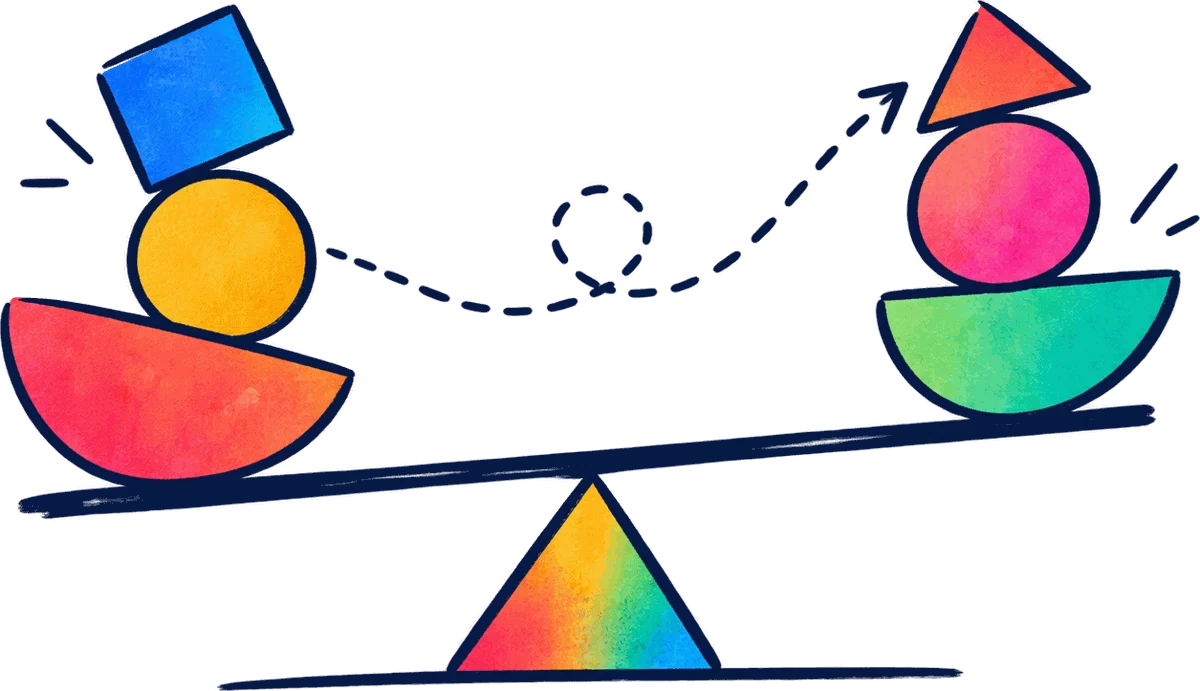
When collaboration gets hard, leaders try to reduce friction. When thinking gets stale, they try to inject creativity. Both responses make sense and both usually miss, because the two problems have the same source: what the team does with difference.
Every team is full of it. Different expertise, functions, histories, personalities, confidence levels, risk tolerances and readings of the same situation. Those differences are the reason a team can notice more, question more and solve more than any one person. They are also the raw material for mistrust, silos and cliques once pressure rises.
A team can be polite, cohesive and badly underpowered.
HARMONY IS NOT THE GOAL
Agreement is quick. Testing it is slower.
Quick agreement feels efficient while hiding untested assumptions. The person who can see the risk decides it is easier to stay quiet. The person with the relevant expertise is never invited into the work.
So the work is not to remove tension. It is to build enough common ground that tension stays connected to purpose, and enough trust that difference can stay in the room long enough to improve the answer.
COMMON GROUND AND CHALLENGE
At the same time
Great teams need enough common ground to stay connected, and enough difference to think better. Common ground gives people a shared purpose and an understanding of what matters. Difference brings the perspectives and challenge that stop the team reproducing yesterday's answer.
Being connected does not mean being agreeable. Speaking up does not mean being abrasive. Trust makes challenge possible; candour makes challenge useful.
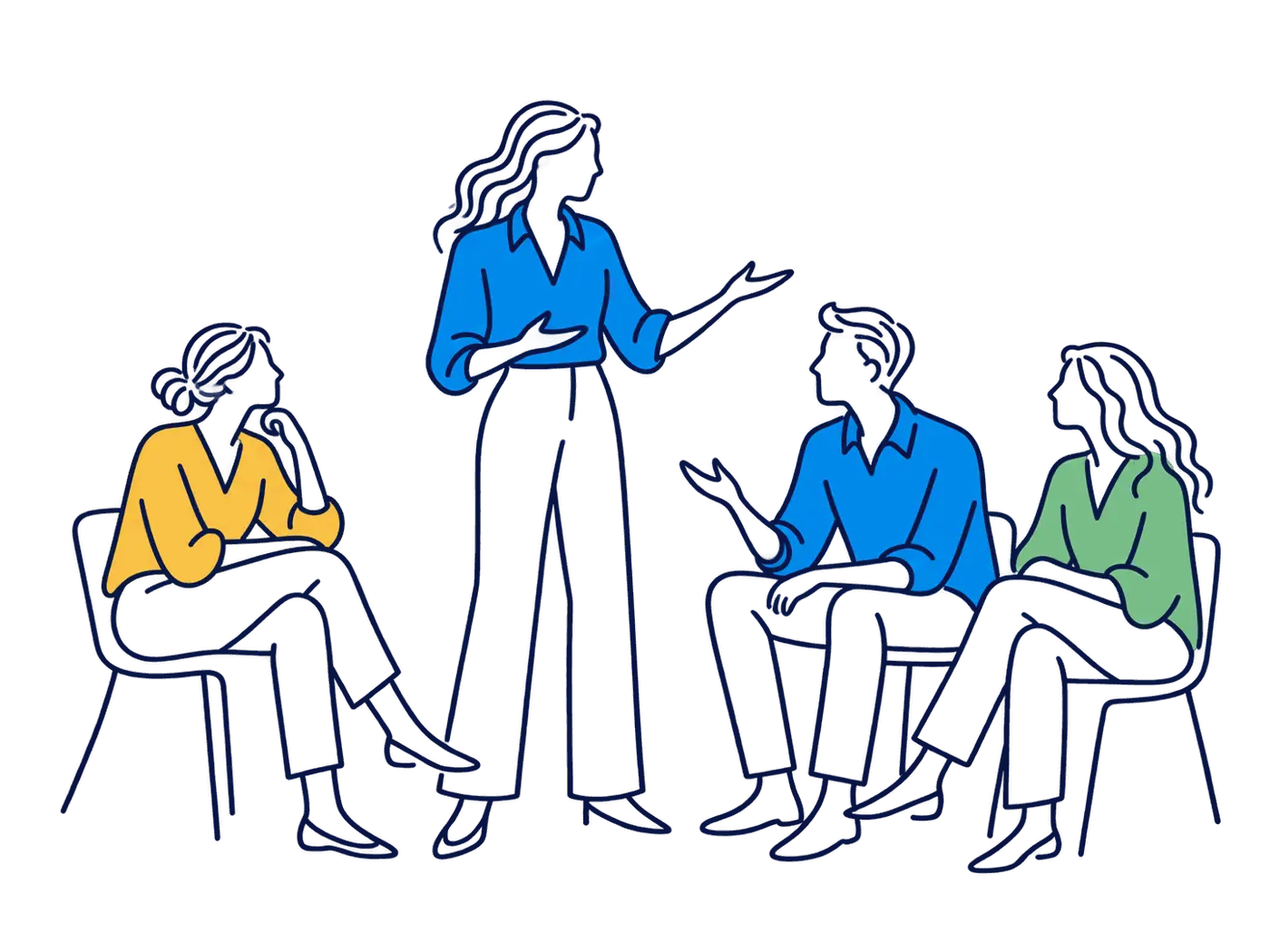
Fight for the work, not for your idea.
Bring your expertise fully. Challenge hard. Listen for what you might be missing. Let the best idea win, even when it isn't yours, and once the decision is made, commit.
THE SHIFT
Where the work actually lives
"If my idea is wrong, I am wrong."
Challenge feels personal. Dissent feels disloyal. Changing your mind feels like losing status, so people defend their patch and quietly resist decisions they didn't shape.
"If the idea improves, the work improves."
Challenge is pointed at the work, not the person. People update their view when better information arrives, and the team gets the benefit of everyone's thinking.
THE PRODUCTIVE FRICTION MATRIX
Every team has friction. The question is what it turns into.
Two things decide that: whether the relationship can hold a challenge, and whether the difficult thing actually gets said.
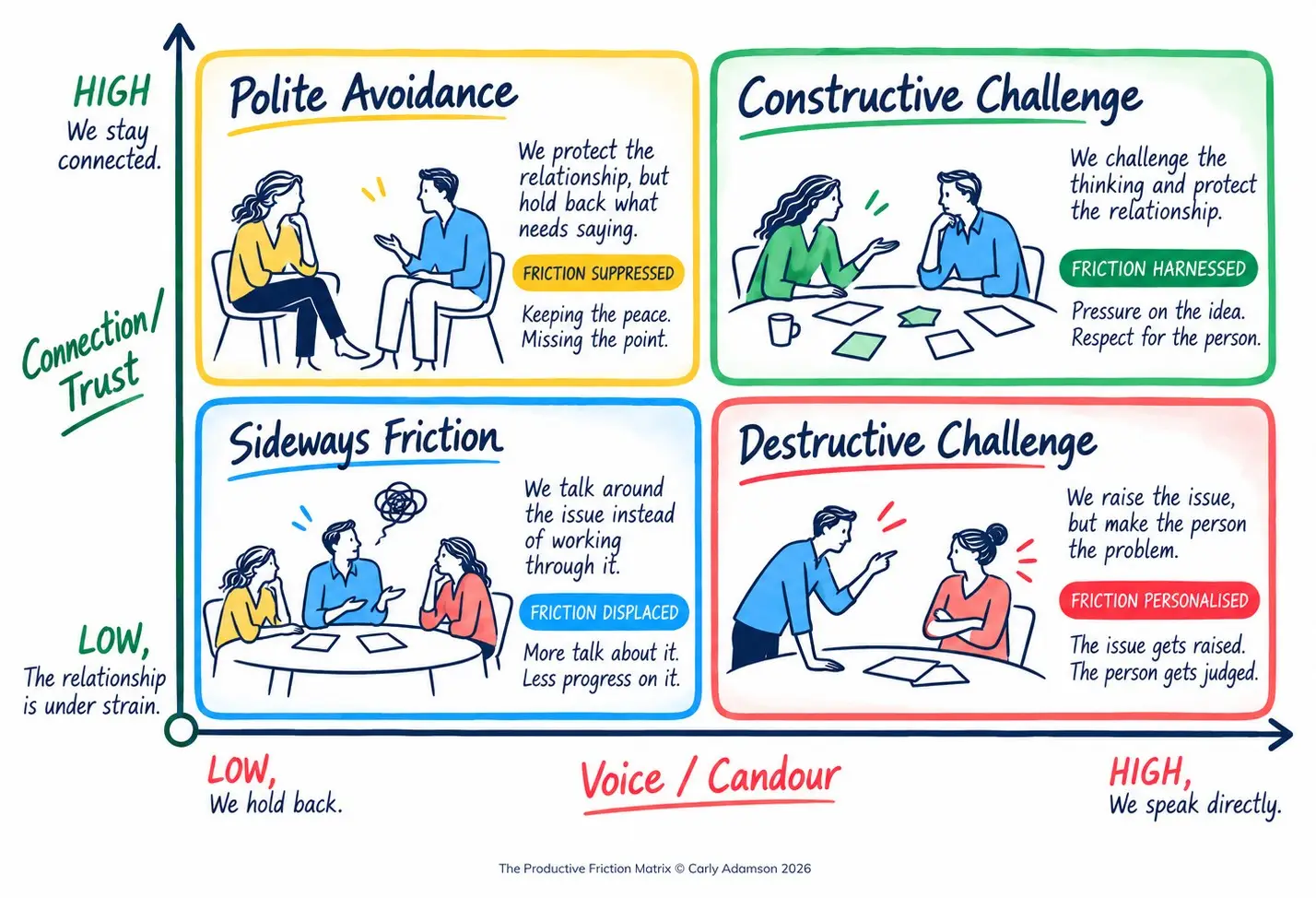
Polite Avoidance
We protect the relationship, but hold back what needs saying.
Friction suppressedKeeping the peace. Missing the point.Constructive Challenge
We challenge the thinking and protect the relationship.
Friction harnessedPressure on the idea. Respect for the person.Sideways Friction
We talk around the issue instead of working through it.
Friction displacedMore talk about it. Less progress on it.Destructive Challenge
We raise the issue, but make the person the problem.
Friction personalisedThe issue gets raised. The person gets judged.It gives teams plain language for what's happening. A team that can say "I think this is going sideways" can change what happens next without anyone being the problem.
HOW WE HELP
Working with difference, in practice
Team workshops
The whole team in the room, leader included. We build shared language for what happens between people, then put it to work on the priorities that keep colliding and the conversations it has been meaning to have.
Better Friction
Shared language for disagreement, and a few simple sentences that interrupt an unhelpful pattern before it sets.
For leaders
Leading people who see the world differently is part of every leadership program we run: how to get the difference into the room, keep it on the work, and use it in the decision.
Start with the Team Conditions Assessment
See where your team uses its differences well and where they're getting lost, before deciding what to do next. How it works
Better teamwork isn't about getting people to think alike. It's about helping different people do their best thinking together.