

HUMANMETRICS / HOW WE WORK
People don't arrive at work as blank slates.
They bring their strengths, their experience, the stories they tell themselves and a well-rehearsed collection of habits. Then they join a team, report to someone, inherit a set of expectations and learn which behaviours get rewarded.
BOTH SIDES
The person, and what's around them
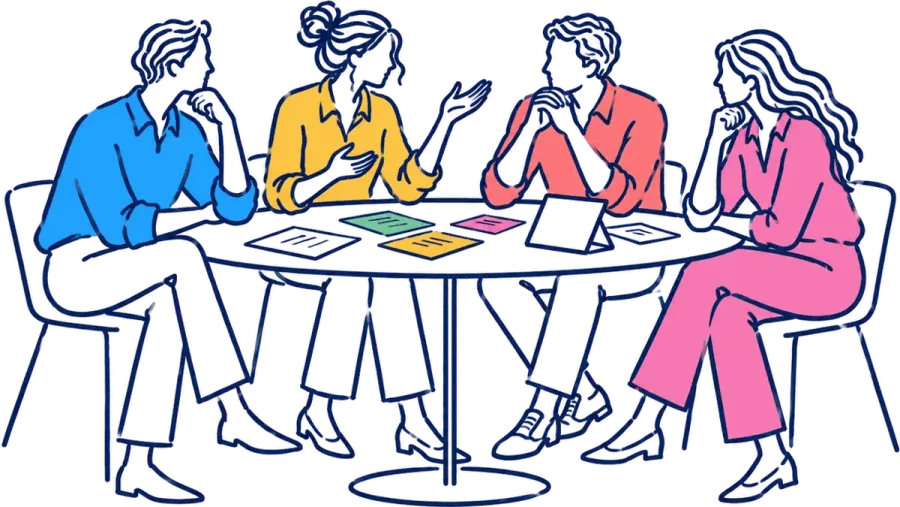
A leader described as controlling may be overusing a strength. They may also be working in a system that rewards intervention and punishes delegation. We look at both, because changing one without understanding the other usually leaves the pattern in place.
- What are they trying to achieve or protect?
- Which strengths are they underusing?
- What might they be overlooking?
- What becomes possible if they see the situation differently?
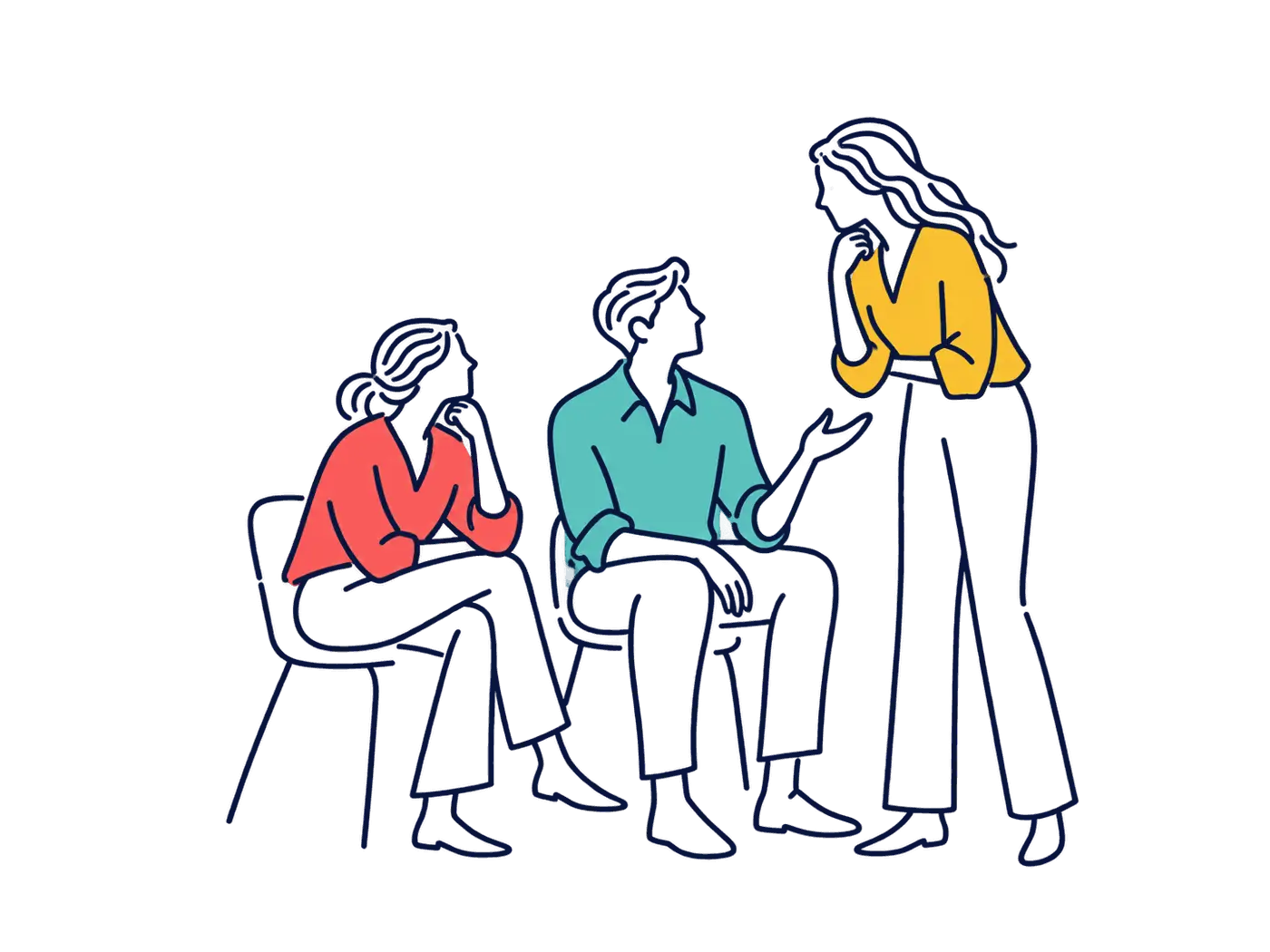
Sometimes the starting point is a leader. Sometimes a team. Often the wider organisation is part of the picture.
WHAT AN ENGAGEMENT LOOKS LIKE
Evidence about your work. Changes made inside it.
Most work starts with a conversation and some evidence: team feedback, a Hogan or DISC profile, or time in the room watching how decisions actually get made.
Then we work on the one or two things that matter most, inside the meetings, reviews and decisions people already have, rather than in a separate training world.
And we come back. The team answers again, the leader looks at what has shifted, and we decide together whether there's more to do or whether you've got it from here.
WHAT IT'S LIKE TO WORK WITH US
Useful conversations. Not another day of nodding.
The work can involve difficult feedback, real disagreement and questions people have been carefully avoiding.
Expect evidence about your own team, good questions, the chance to try something before doing it in front of everyone, and quite possibly an exercise that sounds faintly ridiculous at first.
We want people involved and curious, not counting the minutes until lunch.
WHAT YOU CAN EXPECT